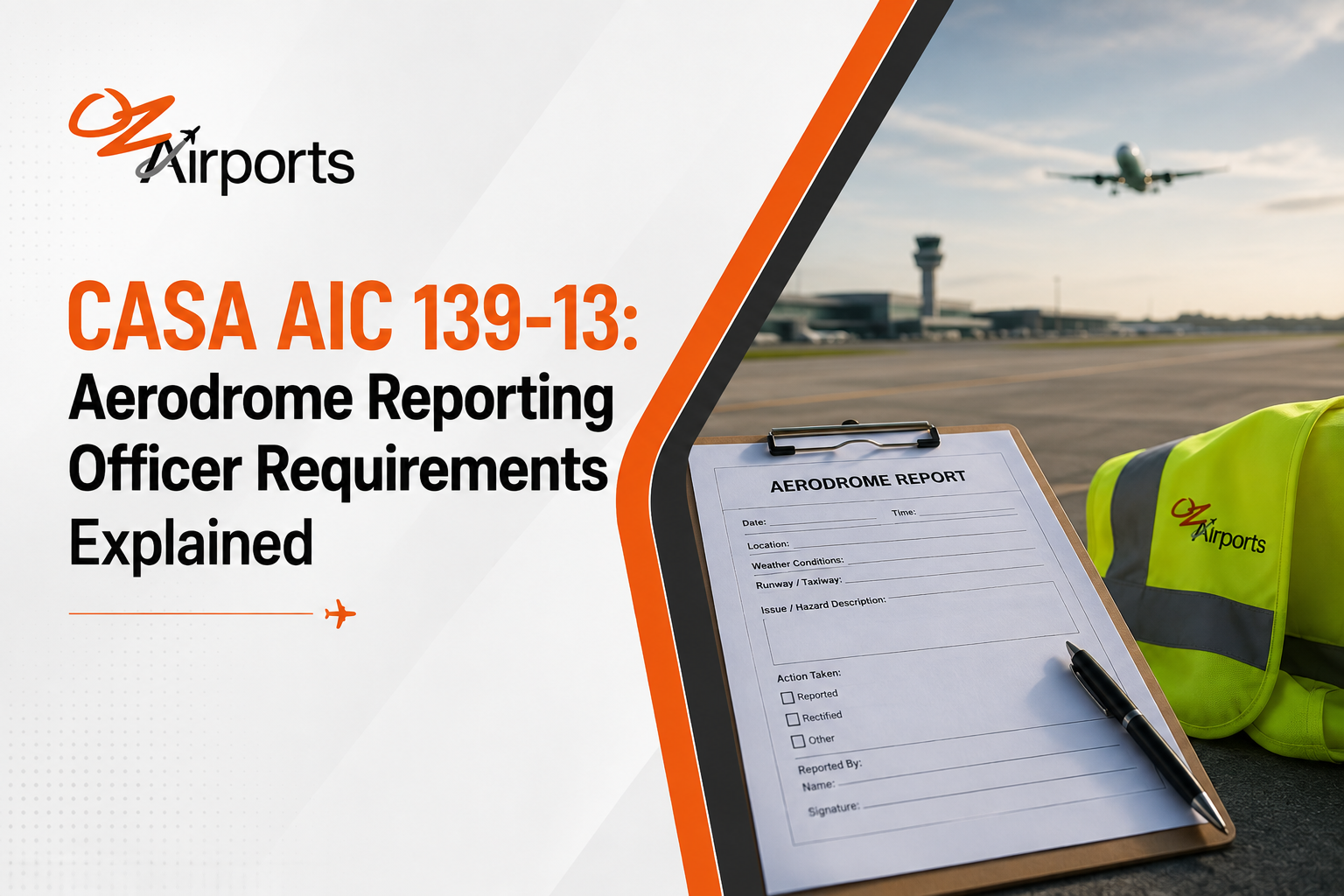
If you manage or operate an aerodrome in Australia, you have likely come across CASA AIC 139-13. It outlines who needs an Aerodrome Reporting Officer, what that person must be able to do, and how compliance is assessed. Understanding it properly can save you from gaps in your safety obligations and keep your aerodrome running smoothly.
What Is CASA AIC 139-13?
CASA AIC 139-13 is an Aeronautical Information Circular published by the Civil Aviation Safety Authority. It provides guidance on the Aerodrome Reporting Officer (ARO) requirements under the Civil Aviation Safety Regulations Part 139, which governs the certification and operation of aerodromes in Australia.
The circular clarifies expectations around ARO competency, training, and ongoing assessment. It is not a standalone regulation but works alongside the legislative framework of CASR Part 139 to give aerodrome operators practical direction on how to meet their obligations.
Who Needs an Aerodrome Reporting Officer?
Certified aerodromes in Australia are required to have a qualified Aerodrome Reporting Officer in place. This applies to operators holding a CASA aerodrome certificate under CASR Part 139.
An ARO is responsible for monitoring the aerodrome and reporting on conditions that affect safety. Their role directly supports the aerodrome operator’s obligation to maintain a safe operating environment for aircraft and the people on the ground.
Registered aerodromes may have different obligations depending on their classification, but for certified aerodromes the ARO requirement is clear and non-negotiable.
What Does an Aerodrome Reporting Officer Actually Do?
The ARO is the eyes on the ground. Their core responsibilities include:
- Conducting aerodrome serviceability inspections
- Identifying and reporting hazards on or near the movement area
- Issuing NOTAMs (Notices to Airmen) when required
- Monitoring wildlife activity and reporting accordingly
- Communicating conditions to air traffic services or pilots
The role is both observational and administrative. An ARO needs to know what to look for, how to document it correctly, and when to escalate a report to the relevant authority.
Competency Requirements Under AIC 139-13
This is where AIC 139-13 provides its most practical guidance. CASA expects AROs to meet specific competency standards, which are aligned with units from the Aviation Training Package.
The key competency units typically referenced for ARO training include inspection of aerodrome movement areas, hazard reporting, and familiarity with relevant CASA regulations and procedures.
Training must be delivered by a Registered Training Organisation (RTO) or through an approved pathway. Aerodrome operators cannot simply appoint a staff member and assume the obligation is met. The person must hold verifiable, recognised competency.
CASA also expects that ARO competency is maintained over time. This means refresher training and ongoing assessment are part of the picture, not just initial certification.
How AIC 139-13 Fits Into the Broader Regulatory Picture
AIC 139-13 does not replace the regulation. It supplements it. The primary legal obligations for aerodrome operators come from:
- CASR Part 139 (aerodrome certification and operations)
- The Civil Aviation Act 1988
- The aerodrome operator’s own approved Aerodrome Manual
The AIC helps operators interpret what CASA considers acceptable when it comes to demonstrating ARO competency. Think of it as guidance on how to meet the standard, not a separate standard on its own.
When CASA conducts an audit or oversight visit, they will look at whether your ARO holds recognised training, whether that training is current, and whether your Aerodrome Manual accurately reflects your ARO procedures.
Common Gaps Aerodrome Operators Miss
Even well-run aerodromes can fall short on ARO compliance. The most frequent gaps include:
- Training currency: An ARO who completed training years ago may not meet current CASA expectations if their competency has not been refreshed.
- Documentation: Inspection records, hazard reports, and NOTAM logs must be maintained properly. An ARO who does the work but does not document it correctly creates a compliance risk.
- Succession planning: If your only qualified ARO is unavailable, does someone else hold the competency to cover inspections? CASA expects continuity of capability, not just a single point of contact.
- Aerodrome Manual alignment: The procedures described in your Aerodrome Manual must match what your ARO is actually doing. Discrepancies are a red flag during audits.
ARO Training: What to Look For in a Provider
Choosing the right training provider matters. Your ARO training should be delivered by a Registered Training Organisation that understands the aviation regulatory environment and the specific demands of aerodrome operations.
A good provider will cover more than just the minimum competency units. They will give your ARO practical context around how to apply their skills on your specific aerodrome, how to communicate with air traffic services, and how to keep records in a way that holds up to scrutiny.
OZ Airports offers ARO training and aerodrome compliance consulting specifically designed for Australian certified and registered aerodromes. Their team understands the CASA regulatory framework and can help operators meet their Part 139 obligations without guesswork.
ARO vs. Aerodrome Safety Inspector: Understanding the Difference
These two roles are sometimes confused, especially at smaller aerodromes where one person wears multiple hats.
| Role | Primary Function | Formal Qualification Required |
| Aerodrome Reporting Officer | Serviceability inspections and hazard reporting | Yes, recognised competency units |
| Aerodrome Safety Inspector | Broader safety oversight and audit functions | Yes, typically higher level qualification |
| Aerodrome Operator Representative | Overall regulatory accountability | Depends on aerodrome size and classification |
At a large certified aerodrome, these roles are usually held by different people. At a smaller aerodrome, one qualified person may fulfil more than one function, but the competency requirements for each role still apply separately.
Staying Ahead of CASA Oversight
CASA conducts regular surveillance of certified aerodromes. This can include scheduled audits, unannounced visits, and desktop reviews of your Aerodrome Manual and training records.
The best approach is to treat compliance as an ongoing operational discipline rather than something you prepare for when an audit is on the horizon. Keep training records current, review your Aerodrome Manual annually, and ensure your ARO has a clear understanding of their responsibilities and reporting obligations.
If you are unsure whether your current ARO setup meets CASA’s expectations under AIC 139-13, a compliance review by an experienced aviation consultant can identify gaps before CASA does.
OzAirports provides aerodrome compliance audits and ARO training support across Australia. If you want to understand exactly where your aerodrome stands, their team can work through your current documentation and training records with you.
Frequently Asked Questions
What is CASA AIC 139-13?
It is an Aeronautical Information Circular that provides CASA guidance on Aerodrome Reporting Officer competency and training requirements under CASR Part 139.
Does every aerodrome need an Aerodrome Reporting Officer?
Certified aerodromes in Australia are required to have a qualified ARO. Registered aerodromes have different obligations depending on their classification.
What training does an ARO need?
AROs must hold recognised competency units aligned with the Aviation Training Package, typically delivered by a Registered Training Organisation.
How often does ARO training need to be renewed?
CASA expects ongoing competency maintenance. The specific refresh period should be outlined in your Aerodrome Manual and aligned with your training provider’s guidance.
Can one person hold both the ARO and safety inspector roles?
Yes, at smaller aerodromes one person can fulfil multiple roles, but the competency requirements for each role must still be met separately.
What happens if my ARO is unavailable?
CASA expects continuity of capability. You should have at least one other person with ARO competency available to cover inspections when your primary ARO cannot perform the role.
Get Your ARO Compliance Sorted Before CASA Does
Meeting CASA AIC 139-13 is not a box you tick once. Training currency, documentation, and Aerodrome Manual alignment all need ongoing attention.
OZ Airports supports aerodrome operators across Australia with:
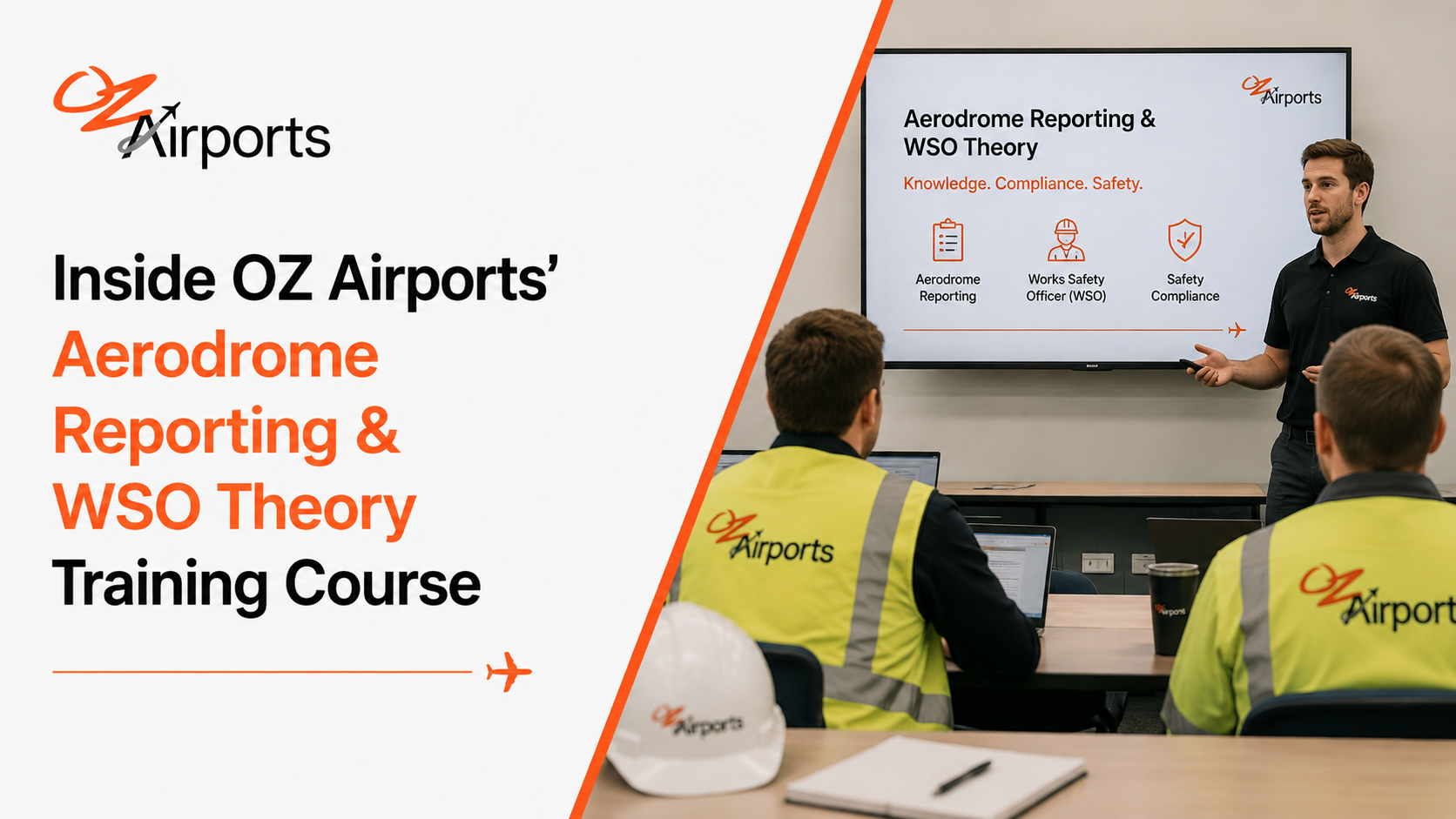
- Aerodrome Reporting and Works Safety Officer theory training, delivered under CASA AIC 139-13
- On site training scheduled around your operations
- Refresher training to maintain ARO currency
- Guidance on aligning your training records with your Aerodrome Manual
If you are unsure whether your current ARO setup meets CASA’s expectations, do not wait for an audit to find out.
Contact OZ Airports today to discuss ARO training or review your aerodrome’s compliance position.